
What Happens When You Delay Dental Care for Cavities?
A cavity does not stay the same when left untreated. Even when it starts small or does not hurt yet, decay can continue moving deeper into the tooth and lead to a larger filling, a crown, root canal treatment, infection, or even tooth loss. In many cases, early treatment is simpler, more comfortable, and less expensive than waiting.
At Simply Smiles, we help families address cavities before they turn into bigger problems, with personalized dental care, modern technology, and a clear, patient-first approach.
This Article will address
- What happens when cavity treatment is delayed
- Whether a small cavity can get worse
- Whether you can wait if the cavity does not hurt
- Signs decay may have reached the nerve
- How fast tooth decay can spread
- Whether waiting costs more
- Whether an untreated cavity can lead to tooth loss
- Whether cavity-related dental problems can affect overall health
- Why families choose Simply Smiles for cavity treatment
What Happens When You Delay Dental Care for Cavities?
When you delay dental care for cavities, the decay usually continues to spread. What may begin as a minor area of damage in the enamel can move into the deeper layers of the tooth, including the dentin and, eventually, the pulp where the nerve lives. As the cavity grows, treatment often becomes more involved. What could have been treated with a simple filling may later require a larger filling, a crown, root canal treatment, or extraction if the damage becomes too severe.
This is one of the main reasons we encourage patients not to ignore early signs of decay. Cavities do not typically repair themselves once the tooth structure has broken down. The longer treatment is delayed, the greater the chance that the tooth becomes weaker, more uncomfortable, and more expensive to restore.
Can a Small Cavity Get Worse If You Wait?
Yes, a small cavity can absolutely get worse if you wait. Early decay may seem minor, but bacteria continue to feed on vulnerable tooth structure over time. That ongoing damage can turn a small cavity into a larger one that affects more of the tooth.
Treating a cavity early often allows us to preserve more healthy tooth structure. That matters because the more natural tooth we can save, the better the long-term outcome tends to be. Waiting may seem harmless when symptoms are mild, but small dental problems often become bigger restorative issues when left alone.
What If My Cavity Does Not Hurt Yet, Can I Still Wait?
A cavity does not need to hurt for it to be active. In fact, many cavities are painless in the beginning. That is one reason they can quietly worsen without a patient realizing how much damage is developing.
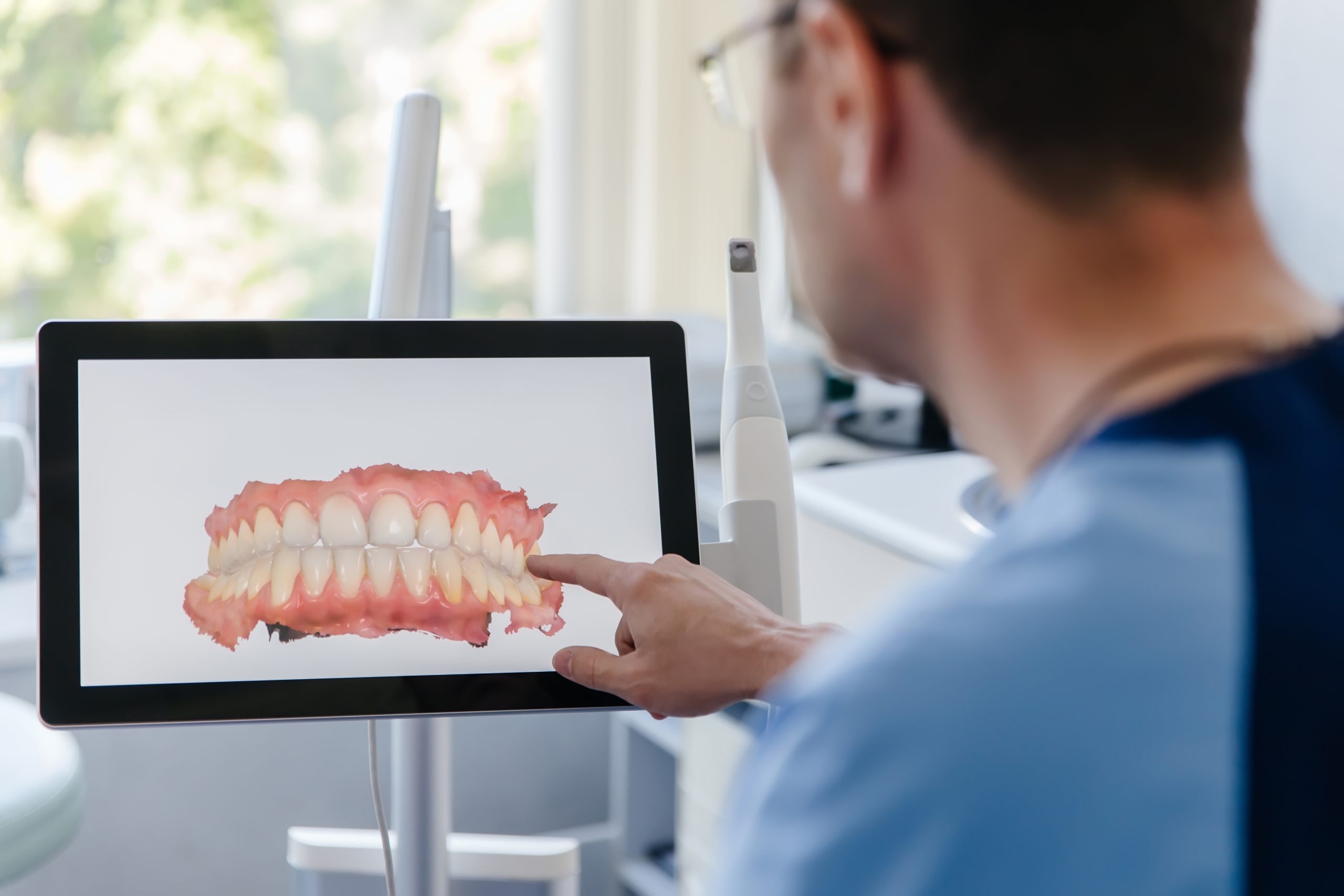
Pain is only one possible symptom. Some patients do not feel discomfort until the decay has reached a deeper part of the tooth. That is why routine dental cleanings are so important. At Simply Smiles, we use advanced tools such as an intraoral scanner to help evaluate your oral health and catch concerns before they become more serious.
How Fast Can Tooth Decay Spread Without Treatment?
Tooth decay does not progress at the same speed for every person. The rate can depend on several factors, including where the cavity is located, your brushing and flossing habits, how often you consume sugary or acidic foods and drinks, your saliva levels, and your overall oral health.
Some cavities progress gradually at first, then worsen faster once the decay reaches the softer inner layers of the tooth. That is part of what makes delaying care risky. It becomes harder to predict when the cavity will shift from manageable to painful or urgent. If a tooth is already showing signs of damage, it is usually best to have it examined sooner rather than later.
What Are the Signs a Cavity Has Reached the Nerve?
When a cavity reaches the nerve, symptoms often become more noticeable. Some of the most common signs include:
- Persistent toothache
- Lingering sensitivity to hot or cold
- Pain when biting or chewing
- Throbbing discomfort
- Swelling or tenderness around the tooth or gums
These symptoms can suggest that the decay has moved beyond the outer portion of the tooth and is affecting the pulp. At that point, a simple filling may no longer be enough. In some cases, root canal treatment may be needed to remove the infected tissue and save the tooth.
Is It More Expensive to Wait to Fix a Cavity?
In many cases, yes. It is usually more affordable to treat a cavity early than to wait until the damage becomes more severe. A small filling is often one of the most conservative treatment options. Once decay spreads deeper, treatment may involve a larger restoration, a crown, root canal treatment, or extraction and replacement.
Waiting can also mean more appointments, more time in the dental chair, and more disruption to your routine. From both a financial and practical standpoint, early treatment is often the better choice. Addressing the problem while it is still manageable can help you avoid more complex care later.
Can You Lose a Tooth If a Cavity Is Left Untreated?
Yes, you can lose a tooth if a cavity is left untreated long enough. Severe decay can weaken the tooth so much that it can no longer be restored predictably. In other cases, infection may spread far enough that extraction becomes the best option for protecting your oral health.
Losing a tooth can affect much more than appearance. It can change how you chew, affect comfort, and place extra strain on surrounding teeth. The earlier a cavity is diagnosed and treated, the better the chance of preserving the natural tooth.
Is Delaying Dental Care for Cavities Bad for Your Overall Health?
Delaying dental care for cavities can affect your overall well-being, especially when pain or infection develops. An untreated cavity can make it harder to eat comfortably, sleep well, and focus during the day. Dental problems can also create ongoing stress and frustration when you know something is wrong but have not addressed it yet.
Oral infections should not be ignored. While not every cavity becomes a major health event, untreated decay can create complications that impact daily life and quality of life. Taking care of a cavity early is often the most straightforward way to protect both your smile and your comfort.
Why Choose Simply Smiles for Your Cavity Filling Treatment?
- Personalized care: We tailor your treatment to your needs and explain each step clearly.
- Family-focused dentistry: We care for patients of all ages in one welcoming office.
- Clear communication: We help you understand your diagnosis and treatment options.
- Comfortable dental environment: We work to make your visit feel calm and low-stress.
- Experienced care: Dr. Vuong brings strong training and hands-on experience to your treatment.
- Advanced technology: Our intraoral scanner supports comfortable and precise care.
Schedule Cavity Care at Simply Smiles in Lavon, Texas
Delaying cavity care can turn a small dental problem into a larger one. What starts as a minor area of decay can become a painful tooth, a more complex procedure, or even a lost tooth if treatment is postponed for too long. That is why it is so important to have a cavity evaluated early, even if it is not hurting yet.
At Simply Smiles, we provide clear, personalized family dental care for patients in Lavon, Texas and the surrounding area. If you think you may have a cavity, our team is here to help you address it with comfort, honesty, and attention to detail. Contact Simply Smiles today to schedule your visit and take the next step toward protecting your smile.
Join Our Dental Family
Eager to serve you and offer a unique dental experience! Schedule your appointment at Simply Smiles, your go-to dental office near Lavon TX, and embark on a journey toward perfect oral health.
Join Our Dental Family
Eager to serve you and offer a unique dental experience! Schedule your appointment at Simply Smiles, your go-to dental office near Lavon TX, and embark on a journey toward perfect oral health.